Online THC delta 9 for Athletes: Recovery and Routine Ideas
Training is already a grind. For athletes, the week does not end when the workout ends, because recovery is where the season gets won. Sleep, hydration, mobility, tissue work, nutrition, and stress management all stack up, and the smallest weak link can show up as stiffness in week six or a nagging tendon flare in week nine.
That is why the conversation around THC delta 9 has become more common in athlete circles, especially for people who are not chasing “getting high,” they are chasing consistency. Some athletes report that delta 9 THC helps them fall asleep faster, feel more relaxed, or calm down after a hard day. Others feel foggy, slower, or more anxious. The point is not that THC is a cure-all. The point is that for some people, when used thoughtfully and responsibly, it can fit into a recovery routine in a way that supports training. The challenge is doing that while handling legal risk, product variability, and the anti-doping minefield.
The real question: what role is delta 9 THC supposed to play?
“Recovery” is a broad word. For an athlete, it usually includes at least three overlapping goals: restore nervous system calm, reduce pain or muscle soreness perception, and get quality sleep. Delta 9 THC sits most naturally in the last two buckets, because it can change how you perceive discomfort and how you settle your mind at night.
But the trade-offs are real. THC can also impair coordination, reaction time, and short-term memory, and those effects can carry into the next morning for some users, depending on dose, tolerance, and individual metabolism. If you are training again within 12 to 18 hours, the wrong timing can backfire.
I have watched this play out in real time with teammates. One athlete tried a small gummy after practice because they “just felt better” later. The next morning, they were late to drills by minutes, not hours, but those minutes mattered. Another athlete used a low dose consistently and felt subjectively calmer, with no noticeable performance drag. The difference was not just the product, it was the routine: dose timing, amount, and whether that athlete already THC delta 9 had a baseline sleep problem versus a baseline recovery routine that already worked.
When you think about online THC delta 9, it helps to decide what you’re testing. Are you trying to improve sleep onset? Are you targeting sleep quality? Are you trying to reduce the awareness of soreness so you can move through mobility without bracing? If you do not define the target, it is easy to blame “recovery” for what is really an over-dose, a poor schedule, or a mismatch with your nervous system.
Athlete reality check: recovery is not only chemical
A lot of athletes want a single lever. THC delta 9 can feel like one lever because it has an immediate subjective effect. Still, if your program is built on inconsistent sleep, heavy evening caffeine, or under-fueling, adding THC can mask the problem for a night or two and then fail to address the real drivers of fatigue.
If your recovery plan already has structure, THC can become a supplement to your routine, not the foundation. For example, many athletes get more reliable results when they lock in the basics first, then add a controlled experiment. You can run it like you would any other training variable: one change at a time, consistent timing, and a clear window to evaluate.
Also consider the interaction with stress. Some athletes use delta 9 THC to quiet their mind. Others use it and their racing thoughts get louder. That is not a moral judgment. It is a nervous system response. If your baseline anxiety is already high, you need to be extra careful with dose and timing, and you may want to avoid delta 9 THC entirely.
Start with legality and sport rules, not just “does it work”
Before you even think about Buy Thc Delta 9, you need to know what you are signing up for. Laws around cannabis and delta 9 THC vary by location, and what is legal to possess or purchase is not always the same as what is legal for athletic competition. There is also the anti-doping question, which can be complicated and depends on the governing body.
Even if a product is sold for general wellness, an athlete still has to comply with the sport’s rules. The safest move is to check directly with your team’s medical staff or compliance officer and read the most current doping regulations for your organization. I do not recommend assuming that “it’s legal in my state” means “it’s allowed in competition.”
For team sports, you also need to consider travel. Paperwork, product storage, and testing policies can get messy fast. And once you are in-season, a bad decision is not just a personal problem, it can affect your team.
Online THC delta 9: what “quality” actually looks like
When you buy products online, the biggest risk for athletes is variability. One gummy can be close to what it claims, another can be weaker or stronger, and a third can have contaminants. I am not saying every product is risky, but the athlete experience depends on consistency.
Here is what I look for when evaluating delta-9 THC products for people who are training seriously:
- Third-party lab testing you can access for the specific batch, not just a generic certificate.
- Clear labeling for delta-9 THC per serving, plus the serving size.
- Transparency about ingredients, especially if there are added herbal extracts or high sugar loads that matter for your nutrition plan.
- Packaging and storage that protects product freshness, because shelf stability can affect user experience.
That may sound obvious, but it is where athletes get tripped up. People buy based on flavor or price, then wonder why one session feels smooth and the next feels intense.
A personal example: I once saw an athlete switch from a cart to edibles after noticing that their lungs felt irritated after repeated sessions. The edibles worked better for sleep, but the transition was uneven because the gummies were different in weight and total THC per piece. Once they standardized the exact serving and waited through a full onset window, the experience became predictable.
A controlled approach: using delta 9 like a training variable
If you decide delta-9 THC has a place in your routine, treat it with the same discipline you apply to strength programming. That means you start low, track your response, and protect performance.
The main skill athletes need here is timing. Edibles often take longer to kick in than inhaled products, and the onset and peak can be stretched out. That makes it easy to accidentally over-consume if you dose, feel nothing quickly, and then dose again. The safest route is patience the first few times.
Also, think about tolerance and rebound. Some people feel their benefits fade faster if they use delta 9 THC too frequently. Others get used to it and can function normally, while still getting the sleep benefit. Either way, frequency is a lever, and it should be treated like one.
Practical experiment design (without turning it into a science project)
You do not need a lab setup to be methodical. You do need consistency and a clear “before and after” window.
For athletes, a reasonable pattern is to test during a stretch where the next morning training is not a precision day. For example, you might run the trial on a night before a lighter session, then decide if it affects morning coordination or sleep inertia. Keep a simple log mentally: bedtime, time of dose, how long it took to feel effects, and how you felt on waking. One change, one decision.
If you find that your heart rate feels elevated, you feel unusually anxious, or you wake up with grogginess, that is information. You can adjust by lowering the amount, moving the timing earlier, or stopping the experiment.
Routine ideas that fit recovery goals
Delta 9 THC can show up in different ways in a recovery routine, but the best routines share one feature: they are built around sleep quality and calm, not around using THC as a performance enhancer. If the routine is helping you relax and sleep, you can absorb training better the next day.
Here are a few recovery-compatible approaches athletes have used in the real world, and the trade-offs to watch.
-
Night-time wind-down with a consistent schedule. The routine matters as much as the dose. If you take delta 9 THC at random times, your nervous system can’t predict it, and sleep becomes less stable. A consistent time supports a consistent effect.
-
Low-dose, short experiment windows. Some athletes use THC only for specific weeks when travel and stress increase. That can reduce tolerance and limit performance risk. It is not about forcing abstinence, it is about using the tool when the need is greatest.
-
Pairing with sleep hygiene you already respect. If you dim lights, keep the room cool, and avoid caffeine late, THC may help you land into sleep rather than replace sleep habits. I have seen this combination work better than THC alone because it reduces the “why am I still awake?” loop.
-
Using mobility and breathing first, then deciding. If your body is wired from training, do a brief mobility reset and a couple of slow breaths before you take anything. If you are still tense, delta 9 THC might help. If you calm down without it, you just earned a recovery win without adding variables.
-
Keeping the next-day plan realistic. If you take THC the night before a max-effort session or a skill-focused practice, you are gambling. A cautious routine positions THC on nights that lead into lower-risk mornings until you know how your body responds.
Notice what is missing: there is no “double down” advice for getting stronger effects. Athletes usually get better outcomes by reducing uncertainty, not by chasing intensity.
The biggest mistake I see: chasing dose instead of managing response
People often interpret THC’s effects as a linear equation: more equals more benefit. In practice, it is not that clean. Delta-9 THC can help sleep at one dose and worsen it at a higher dose, especially if it pushes you into a more scattered or restless state.
If you are buying online THC delta 9, be especially careful about “value packs,” where you might be tempted to take larger servings because the price per milligram looks better. Athletes do not need the math to feel confident. They need the routine to remain stable.
Also watch for mismatched product types. Vapor or smoke can have a different onset pattern than edibles. A tincture can be somewhere in the middle. If you switch product forms without re-evaluating timing and dose, you are mixing variables and making it hard to learn what is working.
Safety edges: mixing THC delta 9 with athlete habits
There are a few interaction zones that matter for athletes:
- Alcohol: Combining substances can amplify sleep disruption and next-day impairment. Even if your body “feels fine” in the moment, your recovery quality can degrade.
- Other sedating supplements: Some people use magnesium, antihistamines, or herbal blends. If you stack sedating things, you may get grogginess or an over-sedated feel.
- Dehydration and late workouts: If you are already behind on hydration, THC effects can feel harsher. Hydration is boring, but it works.
- Medication interactions: If you use any prescription medication, you should check with a clinician. This is not optional advice. THC can interact with certain meds, and the risk is individual.
If you train with a team, also think about social context. Using THC in a group setting can lower your judgment and raise your risk of taking more than intended. Athletes who succeed with delta-9 THC tend to treat it as a private routine decision.
Buying decisions: what to ask before you commit
If you are considering online THC delta 9, make your purchase feel boring. Boring usually means you have controls.
Here is a short checklist I suggest athletes use before they place an order:
- Confirm the delta-9 THC amount per serving is clearly stated.
- Verify batch-specific third-party lab results are available.
- Check the ingredient list for anything that conflicts with your diet or training goals.
- Look for product freshness and packaging that suggests good storage practices.
If a vendor cannot provide the basics above, I treat it as a red flag. Athletes rely on predictability. Randomness is the enemy of recovery.
How to evaluate results without fooling yourself
Athletes are good at measurement, but sleep and recovery are tricky to quantify. You might feel “better” because you are relaxed, not because you absorbed training more effectively. The better approach is to track both subjective and functional signs.
Subjective signs include feeling calmer, falling asleep faster, and waking up less sore in the first hour. Functional signs include coordination at practice, reaction time in drills, and whether you feel stable during warm-up.
One warning: if you use THC and then compensate by skipping other recovery actions, you might end up with “one good night, two weak days.” Recovery is usually a system, and it does not like gaps.
If delta-9 THC helps you sleep but your next day performance dips, you do not have a recovery win. You have a trade-off. Sometimes the best solution is reducing dose, changing timing, or reserving THC for nights that do not precede high-skill sessions.
Timing and the athlete schedule
Timing is where most routines succeed or fail. Many athletes train in the evening, then try to wind down. If your training ends late, your body temperature and stress hormones may still be running. THC might push you into sleep faster, but it could also increase the chance of next-day grogginess if you overshoot.
A schedule-friendly approach is to pick a consistent “buffer window” between THC and morning training, then respect it while you learn your personal response. That might be long for some athletes and shorter for others. There is no universal answer, but there is a universal principle: do not find out how groggy you are on a day you need to perform.
What to expect if you are new to delta 9 THC
If you have not used delta 9 THC before, the first few experiences are often educational. Some athletes feel it in the way they expected, relaxed and sleepy. Others feel something they did not expect, like lightheadedness or anxiety.
If you are new, consider how your body handles risk. Are you sensitive to changes in perception? Do you have a history of anxiety? Do you get nauseous easily? These questions matter because delta 9 THC is not one-size-fits-all.
The “athlete-friendly” mindset is not “how do I feel it faster,” it is “how do I keep it manageable.” That is where starting low and giving it time comes in.
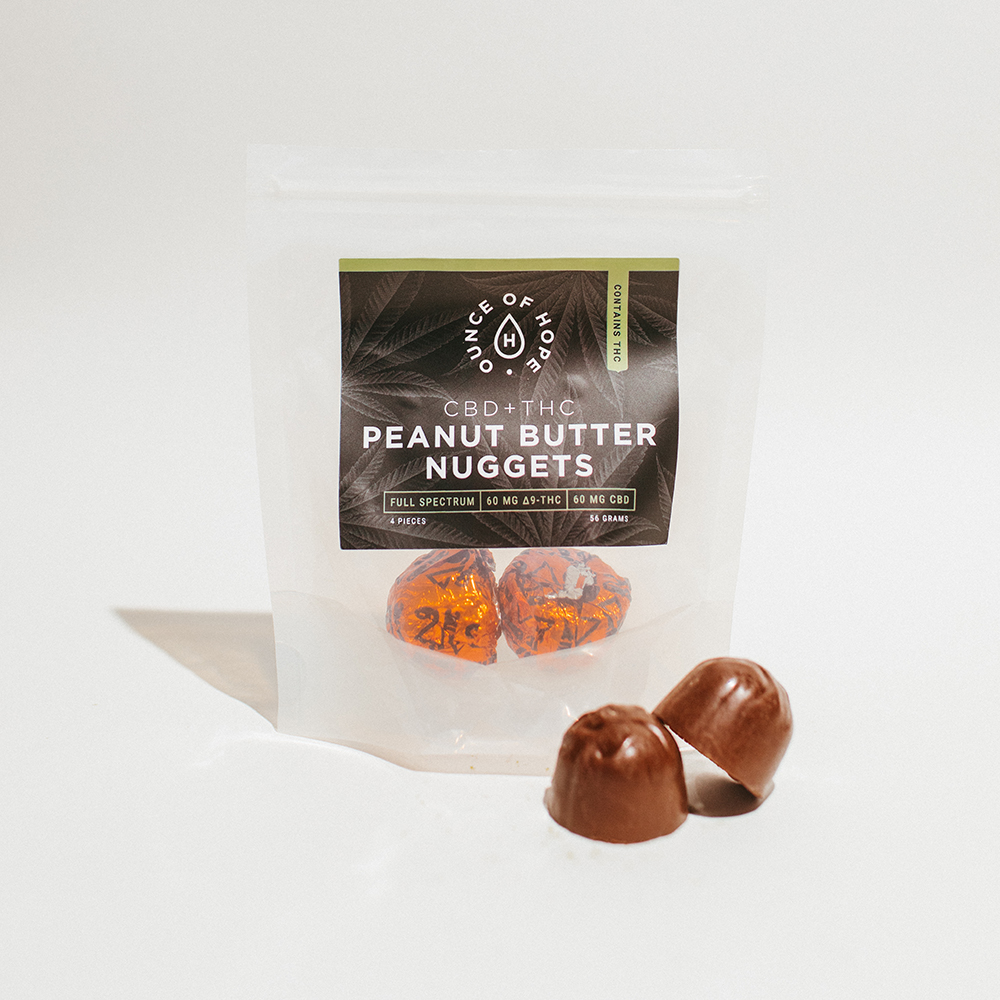
I cannot give medical instructions or exact dosing guidance, because individual responses vary widely and the product strength can differ. The safest general direction is to avoid jumping to strong effects and to learn slowly with a schedule that protects performance.
Recovery routines should protect the long game
Athletes are building toward a season. THC delta 9 can be a tool, but tools can also create dependency on a specific sensation or routine. If you start relying on THC for sleep every night, you may eventually find your baseline sleep quality changes, or tolerance reduces the effect you wanted.
That does not mean THC is “bad.” It means you should watch your patterns. If you notice you feel tense or restless on nights without it, you have a dependency signal. If https://cbdsmokez.com/how-to-read-a-delta-9-product-label-before-making-a-choice/ sleep stays stable and training remains unaffected, your system might be working. Either way, you have to pay attention.
The best athletes I have seen treat cannabis like they treat pre-workout or caffeine. Sometimes it’s helpful. Sometimes it’s not. The key is intentional use, not autopilot.
Where online THC delta 9 fits for athletes, realistically
Online THC delta 9 becomes most sensible when three things line up: you are confident in legality, you are careful about product quality, and you have a routine that respects timing and performance risk. If you are also working with a clinician or team medical staff, the decision becomes even more grounded.
If you are simply looking for a guaranteed recovery boost, this is where expectations need a reset. Delta-9 THC might improve sleep onset for some athletes, and that can indirectly support recovery. It might also impair next-day readiness. The value is not in the headline. The value is in the weekly pattern you create.
If you do decide to buy online THC delta 9, do it like an athlete, not like a shopper. Verify the batch testing, understand the serving strength, and run a controlled experiment that protects your next practice. You will learn faster, waste less time, and keep your training moving forward instead of sideways.